
Google Just Earned My Subscription
Google I/O takeaways for engineers, the HTML trick that keeps you in the loop, and this week's word of the week. #edition41


This week at a glance:
Google I/O 2026: Gemini Spark, the Daily Brief agent going native, and the OS built by 93 sub-agents in 12 hours
Why you should ask AI for HTML instead of Markdown when the output is meant for you
The LLM Wiki repo(Medallion architecture for my brain) is now public on GitHub — plus a new segment: Word of the Week
📰 This Week in AI & Data
Google I/O 2026: My Honest Take
Let’s just say this: if Google holds good on even half of what they announced, they have earned a subscription. The pitch isn’t just the models. It’s the ecosystem. When AI lives natively inside your email, calendar, docs, and browser, the whole thing compounds. That is a bargain most other subscriptions can’t match.
Here is what caught my attention.
Gemini Spark is Google’s answer to the personal agent space: a dedicated virtual machine that runs 24/7 on your behalf, available on Android, iPhone, and Chrome, with native hooks into all your Google apps. Sundar Pichai took a well-aimed shot at the thousands of people running OpenClaw on a Mac Mini or a laptop they can’t close: “And yes, you can close your laptop.” Convenience always wins. Spark is coming soon. Watch this space. (More: Gemini Spark vs OpenClaw)
The Daily Brief Agent hit close to home. Not long ago I built exactly this: a scheduled Claude task connected to my Gmail, Calendar, and Tasks that runs each morning and gives me a rundown of the day. It works. It is also genuinely ugly. Gemini now has this as a native feature, polished, and default-on for paid plans. I am excited for this one. Sometimes the best thing that can happen to a side project is seeing a major company validate the idea and take it off your hands. (Gemini Daily Brief)
The numbers from Gemini 3.5 Flash deserve a moment. To showcase their new agentic coding platform (Anti-gravity 2.0), Google had it build a working operating system from scratch: 93 sub-agents running in parallel, over 15,000 model requests, 2.6 billion tokens processed over 12 hours. Whether or not you will ever replicate this, it tells you where the ceiling is going. Anti-gravity is also rolling out to Search as Generative UI: dynamic layouts, interactive widgets, custom experiences built by prompt.
A few more worth watching: Gemini Omni (any input, any output, image, video, audio, from a single model family), Google Flow for vibe-coding your own creative tools, and Docs Live, which lets you verbally brain-dump an idea and have Gemini generate a structured draft. That last one is underrated. Voice input is a productivity unlock that most people still haven’t taken seriously.
Markdown Is for Models. HTML Is for You.
Here is a pattern that has quietly changed how I work with AI on anything complex.
When you ask a model to produce a plan, a spec, a research dump, or a brainstorm, it defaults to Markdown. Bullets, headers, code blocks. That is fine. Markdown is efficient, models process it well, and it reads cleanly in most tools. But as models get better, those outputs are getting longer. And longer Markdown is increasingly hard for humans to actually read, engage with, and stay in control of.
HTML changes that equation.
HTML is a richer medium. It supports real visual hierarchy, tables with proper formatting, callout boxes, colour-coded sections, embedded mockups. Engineers at Anthropic are already using HTML for internal specs and plans, not because the model needs it, but because the humans reading it do.
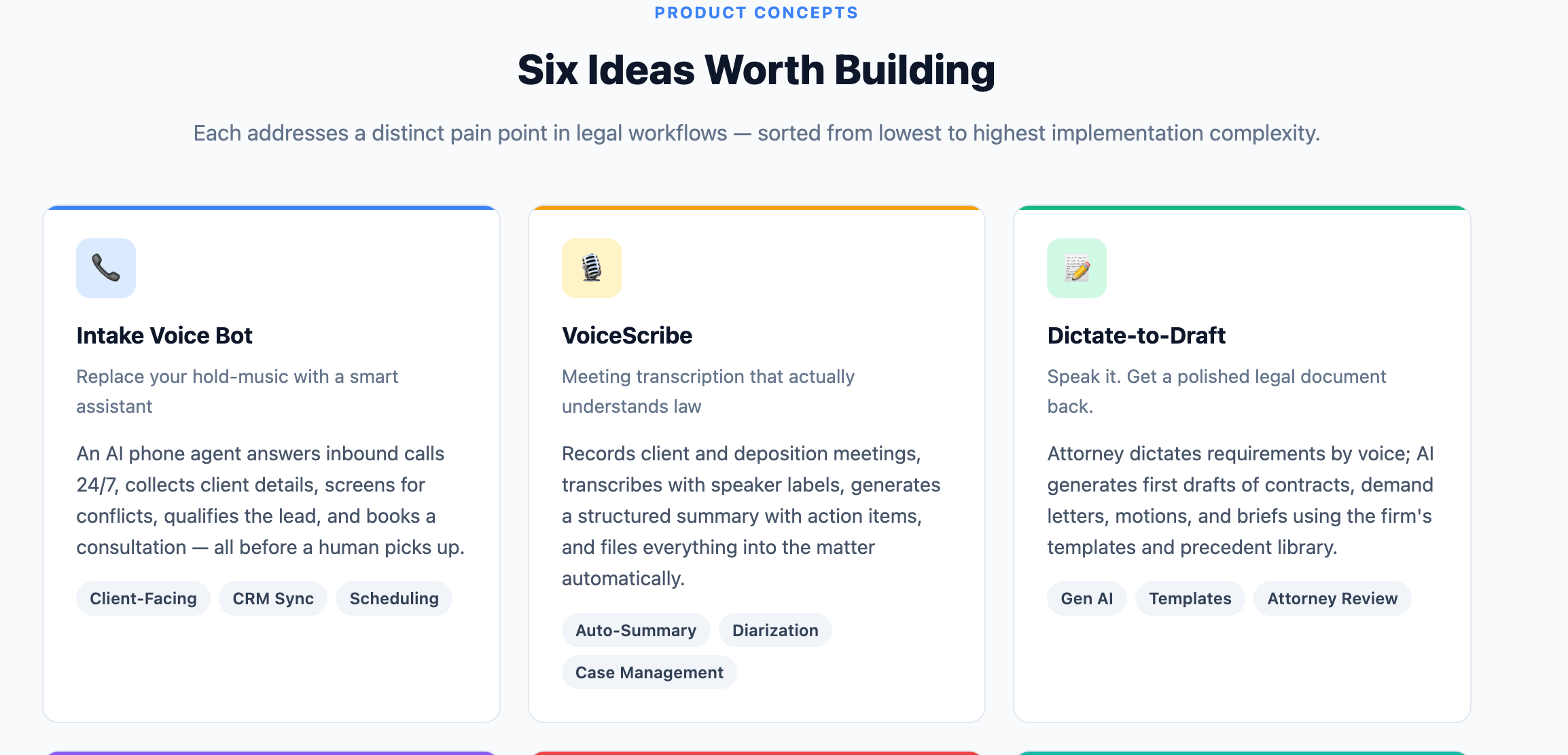
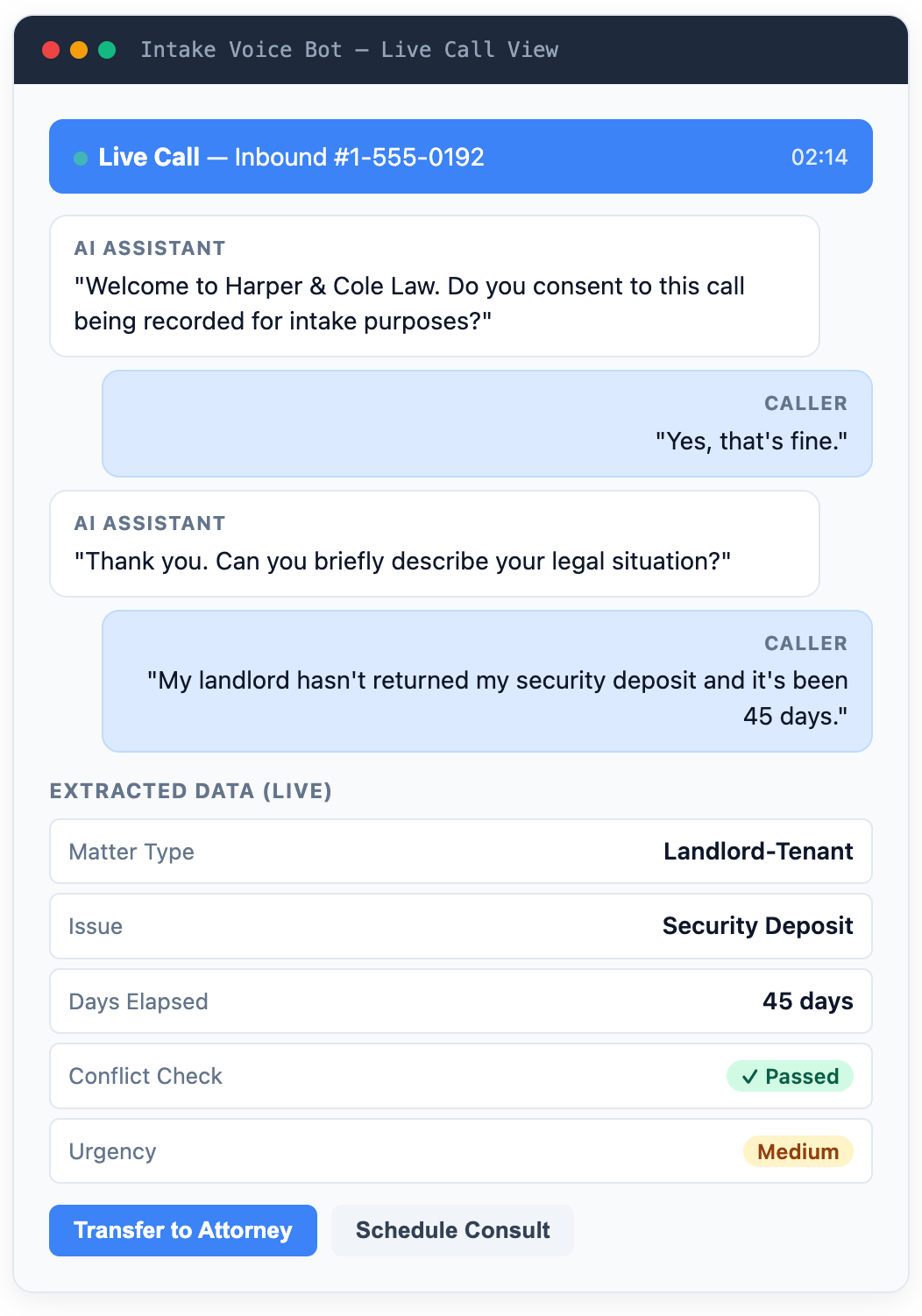
Here is a prompt I used recently:
“I am trying to research a product that uses AI and voice for a legal company. Can you brainstorm some ideas in an HTML file, be sure to include some mockups and make it easy to read and digest.”
What came back was not a wall of bullets. It was a structured, scannable, visually organised document I could actually engage with and give feedback on. The kind of thing I would share with a stakeholder, not just scan and close.
My take: use it deliberately.
HTML is token-heavy. Markdown is more efficient for AI-to-AI communication. If you are feeding the output back into another model, or storing it for retrieval, stick with Markdown. But when the output is meant for you, when you need to understand, evaluate, and stay in the loop, HTML is worth the extra tokens.
The LLM Wiki Is Now on GitHub
Edition 39 was the build. The repo is now public.
github.com/urbanengineerxavier/brain2wiki
Everything you need to run your own version:
CLAUDE.md: the schema that defines the operations, page format, tag vocabulary, and hard rules. This is the product. The wiki is what it produces.wiki.py: keyword search CLI. Title match (10 pts), tag match (6 pts), summary match (4 pts), body match (1 pt per line). No embeddings, no vector database. Runs in milliseconds.pdf_to_md.py: converts PDFs to Markdown using OpenDataLoader, with an automatic fallback to pdftotext.Folder structure:
raw/for immutable source files,wiki/for everything Claude owns and maintains.
The workflow is simple: clone it, open in Obsidian, drop a file into raw/, tell Claude to ingest. That is the whole thing.
The wiki grows by accumulation. Every source you add, every question you ask, compounds into something more useful than any individual page. The CLAUDE.md is not configuration. It is the system prompt that turns Claude into a knowledge bookkeeper.
If you set it up, I would genuinely like to hear how you use it. Hit reply.
🔤 Word of the Week
AI harness (noun)
The layer that connects an AI model to your actual systems: your data, your tools, your workflows. Think of it as the kitchen in a restaurant. The chef (the model) is talented, but without the kitchen, nothing gets to the customer. When someone says “we’re building an AI product,” they’re mostly building the kitchen. Claude, Copilot, and Gemini are harnesses. Opus, GPT-4, and Gemini Flash are the models inside them.
You’ll hear this when someone says “we need six weeks just for the harness.” That is where the real engineering work lives, and usually most of the cost and failure too.
Was this useful? Hit reply or leave a comment. I read all of them.
Until next week,
Stay curious,
Prashanth Xavier
Substack | LinkedIn | Previous editions
Thanks for reading Urban Data Engineer's Newsletter! Subscribe for free to receive new posts and support my work.